Consumers have lost trust in the digital world. Here’s how to regain it.
No matter how long (or short) you’ve been building trust online, that trust is now losing its meaning. These days, AI generates perfect product photos. Bots are leaving glowing reviews everywhere.
The blue verification badge that once proved you were real now just proves you paid for it.
Mickelle Sleyster, Senior Brand Lifecycle Marketing Manager at Blip, works directly with small and medium business owners. Consulting across tech startups, service businesses, and consumer brands, she’s watched digital marketing trends change time and again.
This era of AI-generated content is different from previous shifts in digital marketing. The brands that will navigate this shift successfully are the ones who blend authentic online presence with real-life experiences.
What You’ll Walk Away With:
- How to use real-world visibility to build the kind of credibility AI can’t replicate.
- Why a clear brand identity protects your business when digital channels shift.
- Where to start showing up physically so your customers trust you before they ever click online.
Digital Spaces Lack Trust
AI-generated content is flooding social feeds. Consumers are starting to question whether a product or service being advertised is real. When Mickelle scrolls a brand’s page, her first questions now are, “Are their followers real?” and “Did real people write these comments?”
Marketing advice in 2026 still centers on social media. Post more. Go viral. Build your following. Run ads.
Mickelle knows that these goals are harder to achieve than ever.
“We’re already seeing the decline in users on social media platforms,” she says. She expects this uncertainty to become widespread.
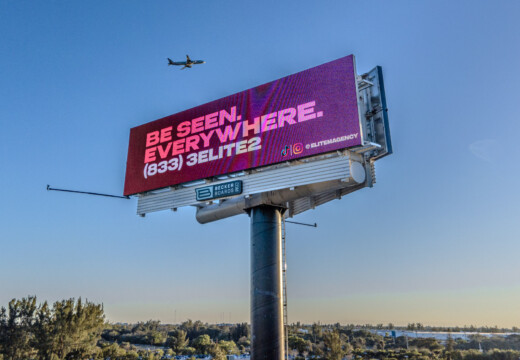
You don’t have to abandon social media. But if you only spend your entire marketing budget on digital platforms, you risk losing trust. Investing in physical advertising (like stickers, posters, events, and billboards) builds credibility that AI can’t fake.
Show Up Where AI Can’t Follow
Real-life visibility matters in a different way than digital presence. People naturally view it as more “real.”
“There’s an element of, is this legit? that comes when someone discovers you online,” says Mickelle. “That question is no longer there once someone sees you in the real world.”
Physical ads like a billboard signal the kind of investment a fake brand wouldn’t make. Consumers tend to read that signal, and start to trust you more, even if they couldn’t put their finger on exactly why.

So where do you start?
1. Choose the Places That Work for You
Billboards provide unmatched local reach, but they’re not the only way to show up in person.
Posters in your local town hall. Branded t-shirts at the high school soccer game you’re sponsoring. Stickers in the hardware store downtown. These can all build brand recognition and human connection.
2. Build Your Brand’s Identity
Every business needs a clear brand identity. It can carry you through major shifts in your industry.
If you just have product awareness, you’re trapped in one category. Brand identity lets you move and adapt.
“When you have a brand, you can play in any field,” Mickelle explains. “One day you could wake up and be a soap company. The next day you could be a clothing company. People aren’t buying the product. They’re buying the identity behind the product.”
Some of the most successful brands we know today started by selling something different than what we currently know them for.
Fujifilm, for example, started as a camera film company. When digital photography made actual film less relevant, the brand pivoted into skincare, medical imaging, and pharmaceuticals. They adapted when their initial product lost steam, and they were able to do so on the strength of their brand.
Your brand tells people what you believe and who you are, not just what you sell. When your identity is clear, you can stay flexible without starting over.
Plus, a strong brand identity can’t be manufactured overnight or mimicked by AI. Brand identity isn’t a single piece of content. It’s a feeling your audience gets every time they encounter you.
That consistent feeling, built up over months and years, is what creates a real connection between your business and the people you serve.
No AI-generated image or bought follower count could ever replicate it.
3. Speak With Confidence
How you talk about your business is part of your brand. Unclear messaging tells potential customers that even you aren’t sure they should buy.
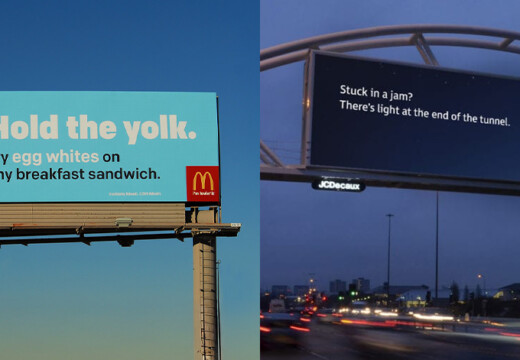
If your billboard were to say, “We might be the best option for you,” customers would hear doubt. They may wonder why you seem uncertain about your own value.
Confidence in what you offer removes doubt from the buying decision and builds the trust your brand and business need to drive sales.
State what you do, who it’s for, and why it works without apologizing for taking up space.
Clear, direct messaging lands because it tells them exactly what they’re getting and why they should care.
4. Own What You Build
When customers can see your brand in places that you actually control, they really start to trust that you’ll be there tomorrow. That you’re building something real.
The billboard in their neighborhood. A consistent email they signed up for. A website that reflects your brand identity.
That’s consistent visibility they can count on.
Social platforms are borrowed ground. Algorithms shift, accounts get suspended, and the audiences you spent years building can vanish overnight.
Mickelle puts it plainly: “When you physically own your marketing, it gives you an authority that other media outlets don’t give you.”
What the Next Five Years Will Reward
The brands that survive will be the ones that combine physical presence with online advertising.
Social media usage is already declining. As AI content makes social feeds less trustworthy and less engaging, it will go down even more. Traditional media like radio, podcasting, and physical signs are already seeing renewed interest. Consumers are looking to platforms that take real-world investment.
Founder-led and community-led brand building is replacing influencer-driven growth. Consumers are attracted to brands built by real people with shared values.
In the US specifically, the density of competition means brand identity is not optional. There are already 10 businesses doing what you do. The ones with a recognizable identity will outlast and outperform the others.
Physical presence combined with a clear brand identity (who you are, what you believe, why you exist) is what will separate you from everyone else.
Ready to build trust in the age of AI?
Launch your first billboard campaign in minutes, no contracts or minimums required.
Frequently Asked Questions
As a small business, why shouldn’t I just invest in social media marketing?
Social media channels are rented, not owned. Businesses building only on social media risk losing everything if platforms change algorithms, accounts get hacked, or platforms remove access.
Small businesses should use social media to funnel people toward owned channels like websites or email lists. They should also invest in physical marketing like billboards that build trust.
How is AI changing the way customers decide who to trust?
AI has made it hard for customers to distinguish real businesses from fake ones online. Perfect product photos get generated in seconds. Bot accounts leave glowing reviews. Verification badges just mean someone paid $50.
There’s real, widespread skepticism about business legitimacy. The businesses that survive this shift are the ones investing in trust signals AI can’t replicate. That means physical presence like billboards and local sponsorships, owned channels like email lists, and clear brand identity built through consistency over time.
Billboards do something specific here that digital ads can’t: when a customer sees your brand on a billboard, it reframes everything else they’ve seen from you. Your digital marketing all becomes more credible because they’ve already seen you. They already know you. That credibility moves someone from skeptical to curious to ready to buy.