Understanding the Brooklyn Center Area Market
Brooklyn Center is an inner‑ring suburb in Hennepin County, just north of downtown Minneapolis. According to the City of Brooklyn Center
Key regional context:
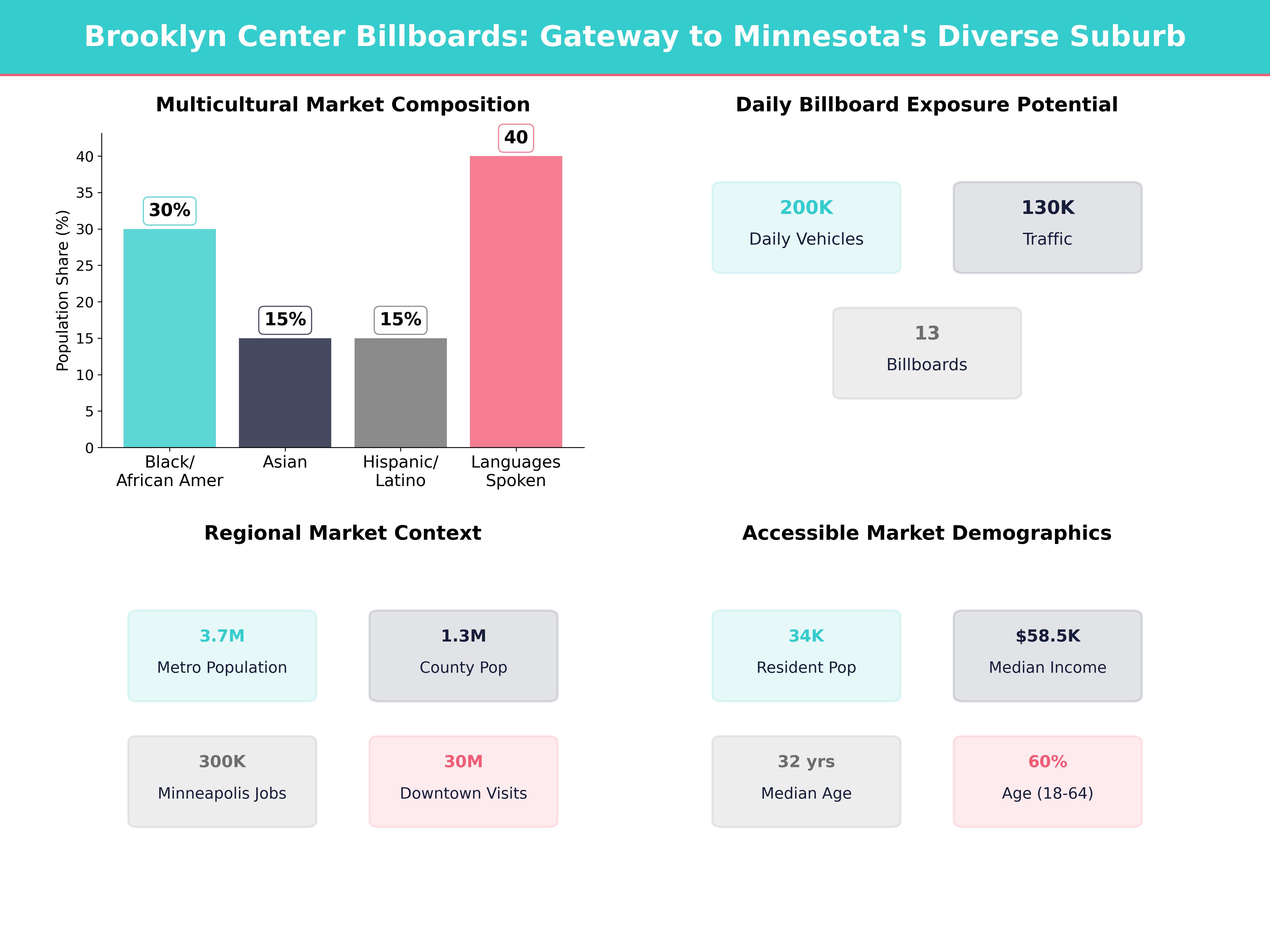
- The Minneapolis–St. Paul metro has over 3.7 million residents, according to the Metropolitan Council, and Brooklyn Center is directly on several major commuter routes connecting the northwest suburbs to Minneapolis and St. Paul. The council estimates that Hennepin County alone accounts for more than 1.3 million of those residents, concentrating jobs and daily trips within a short drive of Brooklyn Center.
- Brooklyn Center is bordered or influenced by high‑traffic corridors including I‑94, I‑694, Highway 100, and Highway 252, funneling drivers between suburbs like Brooklyn Park, Fridley, New Brighton, Blaine, Maple Grove, and the Minneapolis core. MnDOT traffic counts show that key junctions near Brooklyn Center routinely handle over 200,000 combined vehicle movements per day when multiple intersecting segments are considered, giving Brooklyn Center billboards and nearby placements significant exposure.
- Large employers and activity centers nearby include the Brooklyn Center Community Schools, medical and professional offices, industrial parks, and regional retail hubs like the Shingle Creek Crossing shopping center. Shingle Creek Crossing alone has more than 40 stores and restaurants and draws tens of thousands of shoppers each week from Brooklyn Center, Brooklyn Park, and surrounding communities.
- The broader northwest metro visitor market is promoted by Minneapolis Northwest Tourism, which highlights Brooklyn Center, Brooklyn Park, and Maple Grove as a combined destination that welcomes hundreds of thousands of hotel guests and leisure visitors annually.
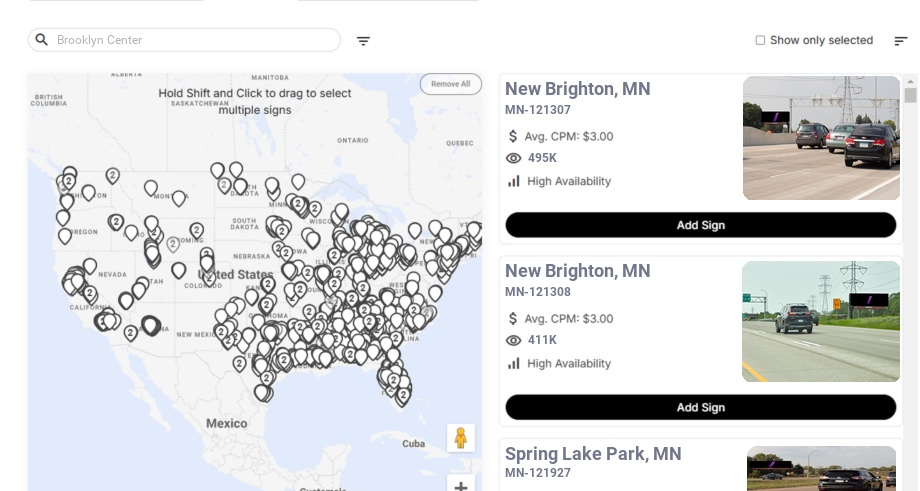
Because our 13 digital billboards serving the Brooklyn Center area are in nearby Minneapolis, Spring Lake Park, New Brighton, and Blaine (all within about 7 miles), you can reach:
- Daily commuters heading to and from downtown Minneapolis
- Suburban residents traveling between home, school, and retail
- Regional shoppers accessing big-box and specialty retail
- Event‑goers and weekend traffic moving across the north metro
- Visitors staying in Brooklyn Center and Brooklyn Park hotels and driving to events across the metro
For many advertisers, this network effectively functions as billboard rental near Brooklyn Center, capturing the same audiences you’d expect from in‑city placements while benefiting from regional traffic density.
Who You’re Reaching: Demographics and Community Insights
Brooklyn Center is one of Minnesota’s most diverse suburbs, which should strongly influence your creative approach.
Based on recent city and regional profiles, including Hennepin County and local planning reports:
- Population: About 34,000 residents in Brooklyn Center; Hennepin County has over 1.3 million residents, including roughly 430,000 within the city limits of Minneapolis alone.
- Diversity: Brooklyn Center has a majority population of people of color. City and county data indicate that over 60% of residents identify as non‑white, with some estimates placing the share closer to 65%. More than 30% of residents identify as Black or African American, over 15% identify as Asian (including substantial Hmong and other Southeast Asian communities), and a growing Hispanic/Latino population accounts for around 15% of residents.
- Foreign‑born population: Local profiles show that roughly 25–30% of Brooklyn Center residents are foreign‑born, one of the highest shares among Twin Cities suburbs, supporting strong East African, Hmong, and other immigrant communities.
- Age: Median age is around 32 years, notably younger than the statewide median of roughly 38 years. Nearly 30% of residents are under age 18, and close to 60% are in the prime working‑age band of 18–64, creating strong demand for family, youth, and employment‑related services.
- Households: Household sizes average close to 3 people; city data often cite figures around 2.9–3.0 persons per household. More than 35% of households include children under 18, and multigenerational living is common in several neighborhoods.
- Housing mix: Owner‑occupied units account for roughly half of housing, with the remainder renter‑occupied. Apartment communities and townhomes along corridors like Brooklyn Boulevard and Shingle Creek Parkway create dense clusters of potential customers within a short drive of major highways.
- Income: Median household income is typically reported in the mid‑$50,000s to low‑$60,000s (roughly $55,000–$62,000), compared with Hennepin County’s median in the low‑ to mid‑$80,000s. This creates a mix of price‑sensitive households and aspirational consumers looking for value, financing options, and clear savings.
- Commute patterns: County transportation summaries indicate that well over 70% of employed Brooklyn Center residents commute by car, truck, or van, and a significant share—commonly cited at 20–30%—work in Minneapolis or other inner‑ring job centers, generating predictable weekday traffic through key interchanges.
What this means for your billboard messaging:
- Use inclusive, multicultural imagery: Reflect Brooklyn Center’s diversity with people of different ages, ethnicities, and family types. Featuring multilingual cues or diverse models aligns with a community where more than 40 different languages are spoken in homes and schools.
- Emphasize value and convenience: With median incomes below the county average and many cost‑sensitive households, clear messages about savings, easy access, and time‑saving services perform well. Offers like “$0 down,” “Under $20,” or “Same‑day service” can resonate strongly.
- Highlight community connection: References to local schools, youth programs, faith communities, and neighborhood pride resonate strongly. The local school district (Independent School District 286) and community partners host dozens of events each year, bringing hundreds or thousands of families to campuses and parks.
- Make it mobile‑friendly: A younger audience and high smartphone adoption—statewide surveys routinely show smartphone use above 85% for adults under 45—mean people are more likely to search on their phones after seeing a billboard; use short URLs, memorable brand names, and clear call‑to‑action phrases (“Search ‘[brand] MN’”).
Traffic Patterns and Where Our Boards Reach Drivers
Our 13 digital billboards serving the Brooklyn Center area sit in high‑visibility locations in Minneapolis, Spring Lake Park, New Brighton, and Blaine, intercepting flows of traffic that move in and out of Brooklyn Center daily. For brands looking for billboards near Brooklyn Center without being limited to only in‑city inventory, this multi‑city cluster covers virtually every major approach.
According to traffic data from the Minnesota Department of Transportation (MnDOT):
- I‑94 / I‑694 corridor near the Brooklyn Center area carries roughly 110,000–150,000 vehicles per day, depending on the specific segment. For example, MnDOT’s Average Annual Daily Traffic (AADT) maps show multiple segments in the 130,000–145,000 vehicle‑per‑day range between Brooklyn Center and the City of Minneapolis.
- Highway 100 and Highway 252, used heavily by Brooklyn Center commuters, each see on the order of 60,000–90,000 vehicles per day on key segments. Selected Highway 100 segments south of I‑694 regularly exceed 80,000 vehicles per day, while Highway 252 segments near Brooklyn Center and Brooklyn Park typically register 60,000–70,000 vehicles per day.
- North‑suburban arterials in Blaine, Spring Lake Park, and New Brighton (including Highway 65 and I‑35W) frequently register 50,000–80,000 vehicles per day. I‑35W near New Brighton carries around 90,000–120,000 vehicles daily south of the I‑694 interchange, capturing both local and regional traffic.
By using digital billboards near:
- Minneapolis (about 4.4 miles from Brooklyn Center)
You reach Brooklyn Center residents commuting south, as well as urban residents coming north for shopping, services, or to visit friends and family. Minneapolis has more than 300,000 jobs and draws over 30 million visits annually to downtown, U.S. Bank Stadium, Target Field, theaters, and major venues, creating steady two‑way traffic that your message can tap into.
- Spring Lake Park (about 5.1 miles away)
Boards along Highway 65 serve drivers linking Brooklyn Center, Fridley, and Blaine, and heading to recreational spots and retail strips. Highway 65 segments in Spring Lake Park and Fridley often see 40,000–60,000 vehicles per day, including many north‑metro commuters who also use I‑94/I‑694 or Highway 252.
- New Brighton (about 6.4 miles away)
Close to I‑35W and I‑694, these boards reach east‑west commuters who live, work, or shop near Brooklyn Center. I‑694 itself carries 80,000–100,000 vehicles per day along several stretches between New Brighton and Brooklyn Center, capturing cross‑metro trips between the northwest and northeast suburbs.
- Blaine (about 6.9 miles away)
A fast‑growing suburb with more than 70,000 residents and major retail and sports facilities (including the National Sports Center), feeding substantial traffic that passes near or through the Brooklyn Center area. Blaine has repeatedly ranked among the top Minnesota cities for new housing permits, adding thousands of residents over the past decade and increasing daily trips on corridors shared with Brooklyn Center.
How to use this with Blip:
- Target boards that sit on the typical commute paths of your customers (for example, Blaine → Brooklyn Center → downtown Minneapolis, or New Brighton → Brooklyn Center retail). Regional travel surveys suggest that more than 80% of daily trips in the Twin Cities are for work, shopping, school, or recreation—precisely the kinds of trips passing your boards.
-
Daypart (time your ads) to match direction of traffic:
- Morning: Show offers aimed at commuters heading toward Minneapolis or other job centers (6–9 AM).
- Evening: Focus on promotions for dinner, errands, or activities back near home (3–7 PM).
- Use multiple nearby boards to “bracket” Brooklyn Center commuters—catching them near home, mid‑commute, and closer to downtown. With average north‑metro commute times typically around 25–30 minutes, you can potentially reach the same driver on more than one board in a single trip.
Timing Your Campaign: Seasonality, Weather, and Events
The Brooklyn Center area experiences strong seasonal and daily patterns that you can exploit with flexible Blip scheduling. This flexibility is particularly valuable when you’re planning billboard advertising near Brooklyn Center to coincide with busy retail seasons or visitor spikes.
Seasonal considerations
- Winter (Dec–Feb)
Long dark hours mean your lit digital ads really pop. In the Twin Cities, sunset in December can be as early as 4:30 PM, and Minneapolis–St. Paul typically records around 50–55 days per year with measurable snowfall. Winter also brings heavy retail (holidays) and service demand (auto repair, home heating). According to local retail reports, November–December can account for 20–25% of annual sales for some store categories, making visibility during this period especially valuable.
- Spring (Mar–May)
As roads clear and temperatures rise, traffic to retail, car dealers, and home improvement stores increases. State tax‑filing deadlines in April and May drive interest in financial services, and local home‑improvement spending often climbs as soon as average daily temperatures move consistently above 50°F.
- Summer (Jun–Aug)
The Twin Cities area sees major road‑trip and event traffic. The National Sports Center in Blaine alone hosts more than 100 events and tournaments annually and reports that its flagship USA CUP soccer tournament can bring 15,000–20,000 participants and visitors in a single week. Across the summer, the complex attracts hundreds of thousands of visitors, many of whom stay in north‑metro hotels and drive through or near Brooklyn Center. Use our Blaine and Spring Lake Park boards to reach visiting families driving near the Brooklyn Center area. Summer also boosts demand for recreation, dining, and festivals promoted by organizations like Minneapolis Northwest Tourism.
- Fall (Sep–Nov)
Back‑to‑school and early holiday planning dominate. Brooklyn Center and nearby districts serve thousands of K‑12 students, and evening youth activities lead to peak school‑related travel between about 4–8 PM on weekdays. Advertisers can target parents by dayparting around school commute hours and evenings when activities and practices occur.
Day‑of‑week behavior
- Weekdays: Strong commuter flows along I‑94/I‑694 and major arterials. MnDOT counts often show weekday traffic volumes 5–15% higher than weekend averages on major commuter corridors.
- Saturdays: Heavy retail and grocery runs to centers like Shingle Creek Crossing and nearby Brooklyn Park or Maple Grove retail clusters. Many big‑box retailers report Saturday as their single highest in‑store traffic day, accounting for 18–20% of weekly visits.
- Sundays: Church attendance and family activities, plus last‑minute errands before the workweek. Faith communities and youth sports together can bring hundreds of additional vehicles per site during late‑morning and early‑afternoon windows.
With Blip, you can:
- Increase your budget Monday–Friday during peak commute windows.
- Shift more impressions to Saturdays for retail and dining.
- Reduce spend on low‑intent times if your business is closed or has low capacity.
- Boost bids during major local events—such as National Sports Center tournaments, city festivals promoted by the City of Brooklyn Center
Crafting Effective Creative for Brooklyn Center Area Drivers
Given average vehicle speeds and the complexity of major interchanges near the Brooklyn Center area, the most effective creatives are simple, bold, and highly legible.
Best practices:
- Limit to 6–8 words of main text
At typical freeway speeds of 55–65 mph, drivers have about 5–7 seconds to view your board. Keeping the total word count under 8 helps ensure comprehension within that window.
- Use large, high‑contrast typography
White or yellow text on dark backgrounds (or vice versa) performs well in Minnesota’s frequently overcast conditions and in winter’s low light. The Twin Cities average more than 180 cloudy or partly cloudy days per year, so legibility in diffuse light is critical.
-
Feature one strong visual
A single product image, logo, or person works better than a collage. For example:
- A steaming bowl of pho for a restaurant
- A smiling medical provider for a clinic
- A big “$0 down” for an auto dealer
-
Include clear, short calls to action
Examples tailored to the Brooklyn Center area:
- “Exit at Brooklyn Blvd – 5 Minutes Ahead”
- “Near Shingle Creek – Book Today”
- “Call 763‑XXX‑XXXX – Same‑Day Service”
- Lean into community identity
Messages like “Proud to Serve Brooklyn Center Families” or “Your Neighbor in the North Metro” underline local roots and build trust. In a community where more than half of residents have lived in their home for 5+ years, local familiarity and continuity matter.
Because we serve the Brooklyn Center area from multiple neighboring cities, it can be powerful to localize creatives slightly by corridor:
- On Minneapolis‑area boards: “Minutes from Brooklyn Center” or “Just North of Downtown, Near Brooklyn Center.”
- On Blaine/Spring Lake Park boards: “Easy Drive from Blaine & Brooklyn Center.”
- On New Brighton boards: “Serving New Brighton, Brooklyn Center, & the North Metro.”
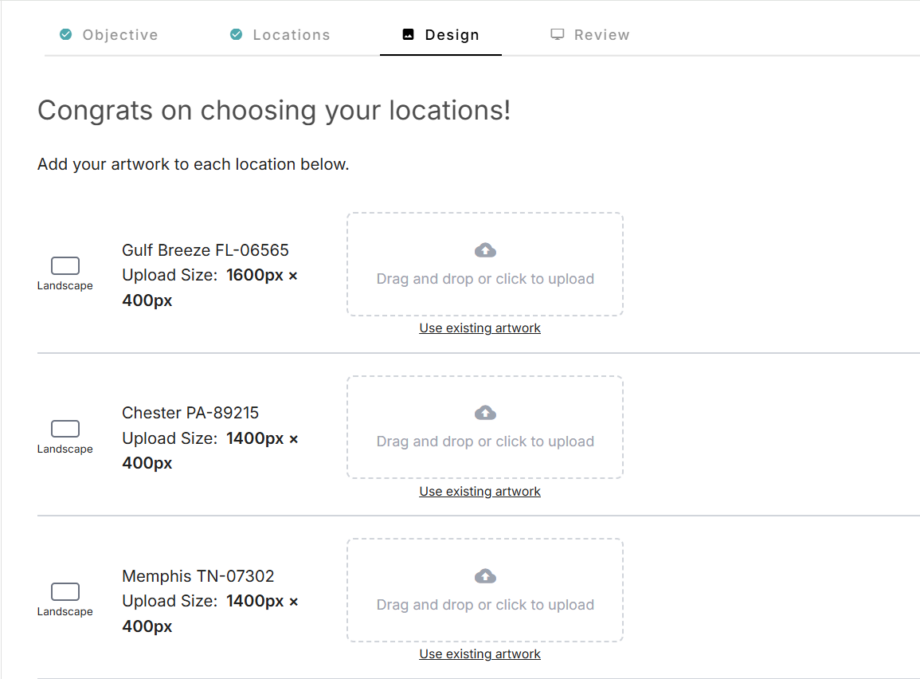
You can upload several variations and let Blip rotate them across different boards and time frames, creating a cohesive set of Brooklyn Center billboards that still feel locally tailored by route.
Aligning Message with Audience Segments
Brooklyn Center’s diverse, younger‑skewing population means you can segment your creative by time and route:
-
Families and parents
- Run kid‑oriented creatives during school start/end windows (around 7–9 AM and 2–5 PM).
- Promote schools, childcare, pediatric services, after‑school programs, and youth sports. The local district serves thousands of students, and nearby programs in Brooklyn Park, Minneapolis, and Blaine add to the pool of parents making daily school‑related trips.
-
Young adults and workers
- Target early morning and late‑evening commuters.
- Focus on quick dining, gyms, career programs, job openings, and transit‑adjacent services. Metro Transit bus and rapid transit lines intersect with Brooklyn Center and Minneapolis employment hubs, so highlighting “Near Transit” can help capture riders who also drive or rideshare.
-
Multicultural and multilingual audiences
- Consider including short phrases or key words in languages commonly used in the area (e.g., Spanish or Hmong), but keep the text minimal and bold. Local school and community reports note that dozens of languages are spoken in Brooklyn Center homes, with particularly strong Hmong, Somali, Oromo, and Spanish‑speaking communities.
- Promote services such as immigration law, culturally specific restaurants, and ethnic grocery stores that are relevant to Brooklyn Center residents.
-
Price‑sensitive customers
- Feature clear discounts, “$X off,” or financing options.
- Use urgency: “Sale Ends Sunday,” “This Week Only in the Brooklyn Center Area.” Retail studies show that time‑limited offers can increase response rates by 10–20% compared with evergreen messaging.
Because Blip bills you per “blip” (each ad play) and lets you adjust budget and schedule at any time, you can test different creatives against different dayparts or boards and scale up what performs best.
Using Blip’s Tools to Target the Brooklyn Center Area
Our platform gives you fine‑grained control over how you reach drivers in the Brooklyn Center area, whether you need ongoing brand presence or short‑term billboard rental near Brooklyn Center for a specific promotion:
-
Board selection
- Choose boards near Minneapolis to catch Brooklyn Center residents working downtown and visitors traveling to destinations like U.S. Bank Stadium, Target Field, and major theaters, which collectively draw millions of attendees per year.
- Add Spring Lake Park and Blaine boards to reach northern‑suburb residents who shop or commute near Brooklyn Center, especially those traveling to Highway 65 and I‑35W retail corridors.
- Use New Brighton boards for east‑west commuters connecting to I‑35W and I‑694 who may stop at Shingle Creek Crossing, Brooklyn Boulevard businesses, or other local services.
-
Dayparting
- Rush hour (6–9 AM, 3–6 PM): Great for services, jobs, and brand awareness. In many Twin Cities corridors, these windows account for 30–40% of daily traffic.
- Midday (10 AM–2 PM): Ideal for lunch specials, same‑day appointments, and retail.
- Evenings (6–10 PM): Promote restaurants, entertainment, and streaming or on‑demand services. Evening traffic remains strong around shopping centers and along restaurant corridors, particularly on Thursdays–Saturdays.
-
Budget controls
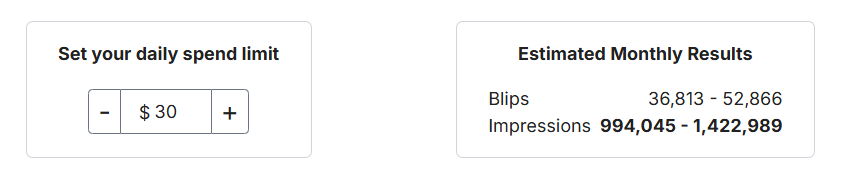
- Set a daily or monthly maximum, then allocate more spend on specific days (e.g., Friday–Sunday for restaurants or retailers).
- Temporarily increase your bid during weather events, holidays, or major tournaments at the National Sports Center that spike north‑metro traffic. Large tournaments can increase hotel occupancy in Brooklyn Center and nearby suburbs to 80–90% on peak weekends.
-
Creative rotation
- Run multiple creatives at once to A/B test messaging (for example, “$ Off” vs. “% Off”; photo vs. icon).
- Rotate seasonal creatives (back‑to‑school, tax refund season, holiday shopping) without printing costs or delays.
- Align creatives with major local happenings promoted by the City of Brooklyn Center, Minneapolis Northwest Tourism, and nearby cities like New Brighton and Blaine.
Taken together, these tools make it easy to treat our digital network as a flexible layer of billboard advertising near Brooklyn Center that you can dial up or down as your business needs change.
Leveraging Local News, Weather, and Community Context
Brooklyn Center and the surrounding north‑metro communities are regularly covered by outlets like:
- CCX Media
- Star Tribune – Local
- KARE 11 (Twin Cities TV news)
- Brooklyn Center city news and alerts
These sources can help you understand what local issues, events, and stories are top‑of‑mind so you can match your messaging:
- During major highway construction reported by MnDOT, promote convenient alternative routes or remote services. Construction seasons can last from April through October and often involve lane reductions that slow traffic and extend dwell time in front of your boards.
- When local schools and nonprofits highlighted by Hennepin County or CCX Media organize events, emphasize sponsorships or support. Fundraisers, school festivals, and community fairs can attract hundreds or thousands of attendees in a single day.
- During severe winter weather alerts from local news, advertise services like towing, auto repair, home heating, or grocery delivery. The Twin Cities can experience 20–30 days per winter with temperatures below 0°F, increasing demand for emergency and home‑comfort services.
Aligning your creative with what residents are seeing in their news feeds makes your billboard ads feel timely and relevant.
Example Campaign Approaches for Common Advertisers
To make this more concrete, here are ways different sectors can use digital billboards serving the Brooklyn Center area:
Local restaurant or coffee shop
- Target morning commuters on Minneapolis‑area boards with “Coffee & Breakfast – 5 Minutes from Brooklyn Center.” Commuter travel surveys show that roughly 60–70% of workers who buy coffee on weekdays do so between 6–9 AM.
- Run lunch specials on New Brighton and Spring Lake Park boards from 10 AM–2 PM, when midday traffic and local worker breaks peak.
- Emphasize mobile ordering or drive‑thru for busy families. In many metro areas, more than half of quick‑service transactions now involve drive‑thru, delivery, or mobile pickup.
Auto dealer or repair shop
- Use Blaine and Spring Lake Park boards to reach north‑metro drivers, highlighting “Service While You Work – Shuttle from Brooklyn Center Area.”
- Switch to winter‑readiness themes (tires, batteries, brakes) from October through March. Local repair shops often report 20–30% spikes in demand around the first major snowfall or cold snap.
- Feature payment plans or credit options for cost‑conscious households in a community where median incomes trail county‑wide averages.
Healthcare provider or clinic
- Emphasize proximity: “Urgent Care Near Brooklyn Center – Walk‑Ins Welcome.”
- Daypart around early mornings and late evenings to capture commuters who must plan before or after work; many urgent care visits cluster between 7–10 AM and 4–8 PM.
- Promote language‑specific services or culturally competent care in a community where roughly one quarter to one third of residents are foreign‑born.
Education or training program
- Focus on young adults and parents: “Career Training for Brooklyn Center Area Residents – Start Next Month.” State workforce data show that healthcare, trades, and IT/programming are among the fastest‑growing job categories in the Twin Cities.
- Increase frequency near registration deadlines and during back‑to‑school periods (August–September and January).
- Use New Brighton and Minneapolis boards to reach both city and suburb commuters who may be seeking short‑term training they can access within a 10–20‑minute drive.
Measuring and Refining Your Campaign
While digital billboards serve as a largely upper‑funnel and mid‑funnel channel, we can still help you track impact and refine performance:
- Use unique URLs or promo codes specific to your billboard campaign (“/BCenter,” “/NorthMetro”).
-
Track lifts in:
- Direct website visits
- Brand keyword searches from the north metro
- Store visits or calls during your active Blip schedules
For example, compare call volume or foot traffic during weeks when your ads run heavily on I‑94/I‑694 versus control weeks.
-
Compare response between:
- Different dayparts (commute vs. midday)
- Different creatives (offer‑driven vs. brand‑driven)
- Different boards (Minneapolis vs. Blaine/Spring Lake Park/New Brighton)
Because Blip campaigns are fully adjustable, you can pivot quickly as results come in—shifting spend toward the locations, times, and messages that generate the best response from people traveling in the Brooklyn Center area. Over time, this continuous optimization turns your network of Brooklyn Center billboards and nearby placements into a finely tuned, high‑performing local channel.
By combining a deep understanding of Brooklyn Center’s diverse, commuter‑heavy audience with the flexibility of Blip’s digital billboards in nearby Minneapolis, Spring Lake Park, New Brighton, and Blaine, we can help you build campaigns that are both highly targeted and cost‑efficient. Whether you need always‑on billboard advertising near Brooklyn Center or short bursts of billboard rental near Brooklyn Center around key seasons and events, focusing on clear, localized messaging, smart timing, and continuous optimization will position your brand prominently in the minds of everyone moving through the Brooklyn Center area.